




Breast Cancer Awareness: Symptoms, Early Detection and Support
Every October, pink ribbons appear across communities worldwide. Breast Cancer Awareness Month is a time to honour survivors, support those undergoing treatment, and encourage conversations about breast health.
But meaningful awareness goes beyond October. It means knowing the signs, understanding the importance of early detection, supporting loved ones, and helping communities access the resources they need.
What Are the Key Facts About Breast Cancer We Should Know?
Breast cancer affects millions of lives worldwide each year. The infographic below outlines a quick breakdown of key global statistics, followed by a look at how this impacts our region in Asia:
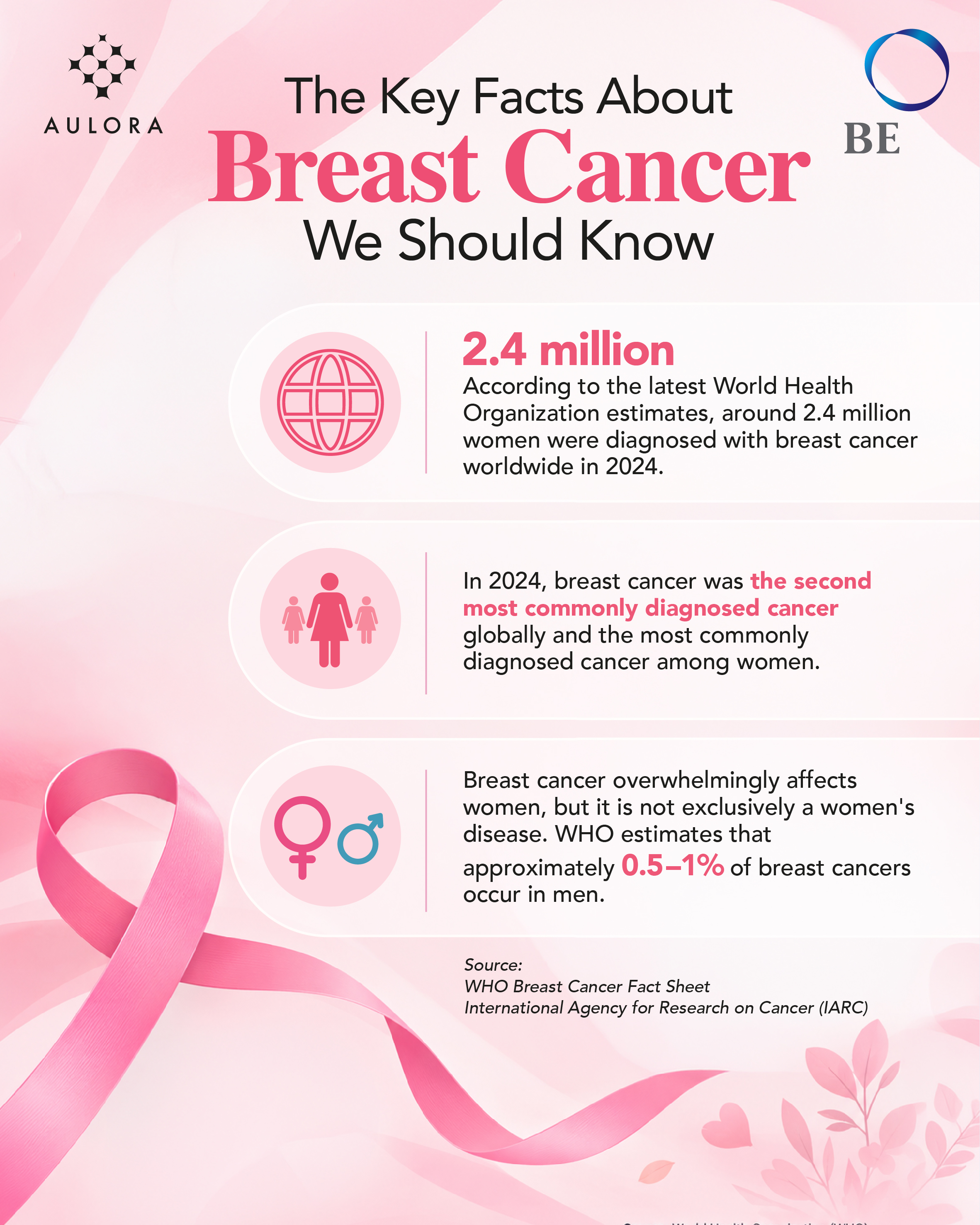
The issue is especially significant across Asia. A 2025 study using IARC's GLOBOCAN 2022 estimates reported approximately 985,000 new breast cancer cases in Asia in 2022, representing about 43% of new breast cancer cases worldwide.
The figure highlights the importance of greater awareness, early detection and access to cancer services across the region. Breast cancer is therefore not simply a “Pinktober” topic. It is a health issue that deserves attention throughout the year and one that concerns women, men, families and communities alike.
What Are the Early Warning Signs of Breast Cancer?
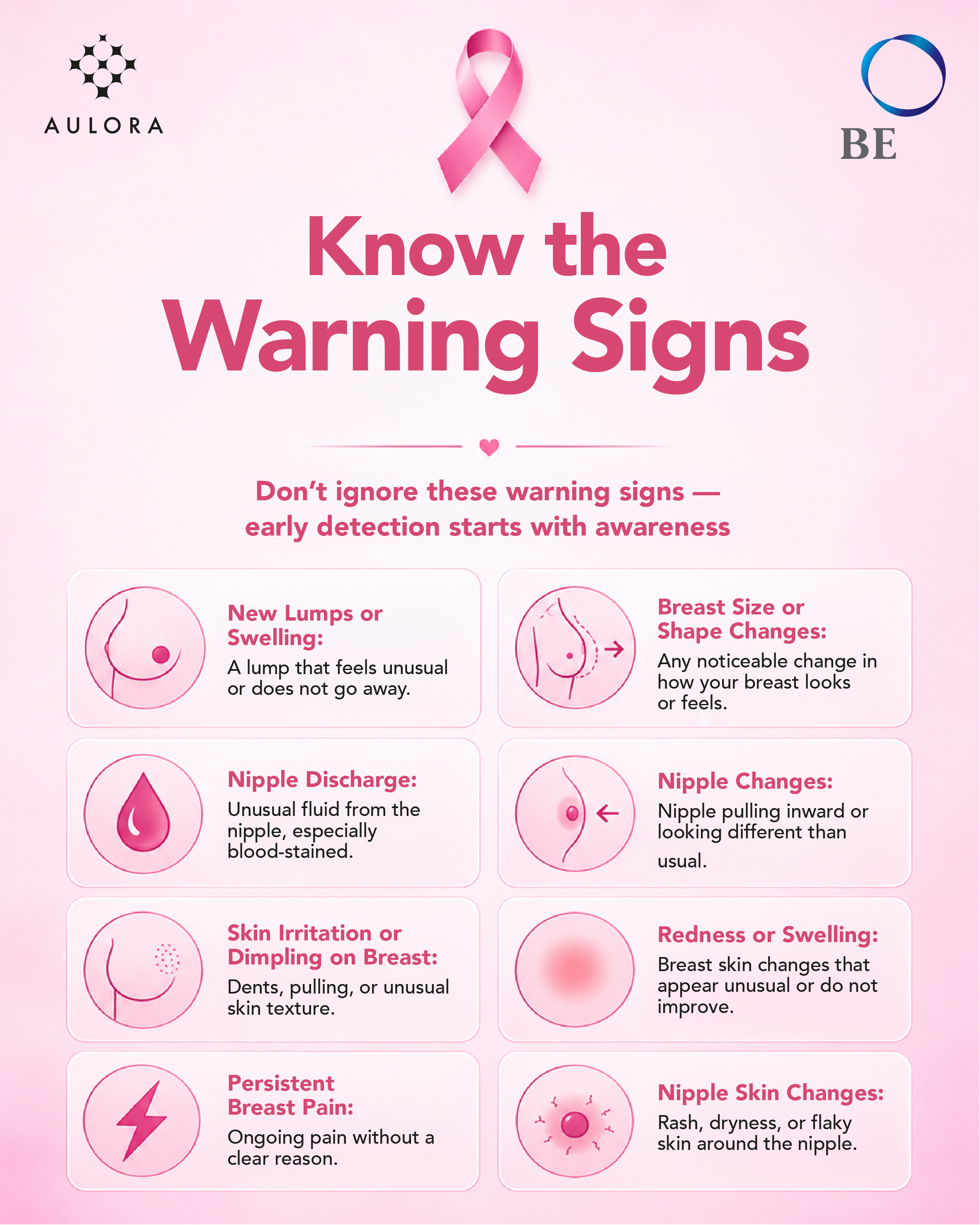
Being aware of your breasts or chest changes can help you recognise when to seek medical advice. Possible warning signs include:
-
A new lump or thickened area in the breast or underarm.
-
Changes in the size, shape or appearance of the breast or chest.
-
Dimpling, puckering, redness or other changes to the skin.
-
Changes to the nipple, such as the nipple turning inwards.
-
Unusual or bloody nipple discharge.
Most breast or chest changes are not cancer, but any new or unusual change should be checked by a healthcare professional.
Beyond Treatment: Supporting Everyday Well-Being
A cancer diagnosis impacts physical health, mental well-being, and practical daily living. Holistic support options include:
-
Comfortable clothing: During treatment, comfortable and appropriate clothes can make everyday dressing easier. The U.S. National Cancer Institute (NCI) advises people receiving external-beam radiation therapy to wear comfortable clothing made from soft fabrics and to avoid tight clothing near the treatment area.
-
Outside of treatment-specific considerations, people have different preferences for daily clothing. AULORA Apparel with KODENSHI® is a range of wellness wear designed for daily use and intended for personal comfort.
-
Emotional Care: Accessing counselling services, peer support groups, and family networks helps build emotional resilience.
-
Practical Assistance: Practical help with daily chores, transportation to appointments and meal preparation eases cancer treatment burdens.
From Awareness to Action: Making a Community Difference
Improving breast cancer outcomes requires more than individual awareness. Across Southeast Asia, community organisations, healthcare providers and corporate partners play an important role in making cancer education, screening and support more accessible.
From community screening initiatives to survivor support and educational programmes, these efforts can help address practical and financial barriers faced by people affected by cancer.
Every community has different needs, but the goal is the same: making reliable information, early detection and support more accessible to those who need them.
Awareness is only the beginning. Continuing conversations about breast health, early detection, and access to support beyond October can help make breast health an ongoing priority, not just a once-a-year conversation.
Frequently Asked Questions (FAQs)
Can men get breast cancer?
Yes. Breast cancer can occur in men, although it is rare. WHO estimates that men account for approximately 0.5–1% of breast cancer cases. Risk factors can include increasing age, family history and certain inherited genetic mutations.
Why is early detection important?
Early detection can identify breast cancer at an earlier stage, when treatment is generally more effective, and the chances of recovery are significantly higher.
What should I do if I notice breast or chest changes?
Consult with a healthcare professional. While many breast or chest changes are not cancer, new or unusual changes should be assessed rather than ignored.
What should I consider when choosing clothing during treatment or recovery?
Clothing choices are personal and depend on individual comfort and treatment needs. AULORA Apparel with KODENSHI® offers everyday wellness wear designed for comfort. During treatment or recovery, follow your doctor’s or medical professional’s advice, particularly after surgery or during radiation therapy.
References:
-
World Health Organization. “Breast Cancer.”, 2026
-
“Breast Cancer in Asia: A Comprehensive Review of Epidemiology, Risk Factors, and Management.” Journal of Cancer Research and Clinical Oncology, 2025. PubMed Central
-
National Cancer Institute. “External Beam Radiation Therapy for Cancer.”, 2025
-
Centers for Disease Control and Prevention. “Symptoms of Breast Cancer.”, 2026